
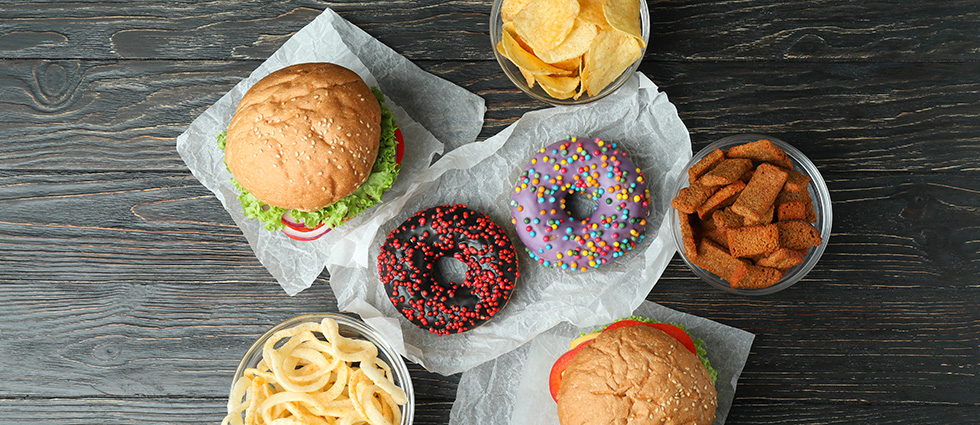
On December 2, 2025, the San Francisco City Attorney filed a lawsuit targeting ultra-processed foods (UPFs) manufactured by some of the world’s largest food companies. The lawsuit alleges that these companies knowingly harmed public health by selling products with what it describes as “hidden health harms.” The UPFs cited include name-brand cookies, candy, chips, and even boxed macaroni and cheese.
In full disclosure, as I write this blog, Oreos are sitting next to my morning coffee, and I am a longtime fan of Trix cereal.
Ultra-Processed Foods Defined
The definition of “ultra-processed food” does not originate from the regulatory agencies that oversee food manufacturing in the United States, such as the Food and Drug Administration (FDA) or the Centers for Disease Control and Prevention (CDC). Instead, it comes from a research framework developed in 2008 at the University of São Paulo in Brazil.
Led by epidemiologist Dr. Carlos Augusto Monteiro, the study introduced what is now known as the NOVA food classification system. Under NOVA, ultra-processed foods are defined as: “Industrial formulations made mostly or entirely from refined substances and additives, with little intact whole food.”
At first glance, this definition sounds unappealing, but it encompasses many common products such as soft drinks, packaged snacks, cookies, and chips.
Does the FDA Rely on the NOVA Classification?
The FDA does not recognize or rely on the NOVA classification in its regulatory or decision-making processes. One reason is that NOVA is based largely on qualitative assessments of food processing rather than measurable, enforceable criteria. As a result, the framework is difficult to audit, validate, or challenge in a regulatory or legal context, leaving many of its conclusions open to interpretation.
That said, the NOVA classification continues to be referenced by parts of the scientific and public health community, including organizations such as the World Health Organization (WHO). Like any research framework, however, it has acknowledged limitations.
A key limitation is inherent to epidemiology itself: the field identifies associations, not causation. This same limitation applies to studies using the NOVA methodology.
What Does This All Mean?
Many people will view this lawsuit as just another “eye-roller” coming out of California. As with most litigation, it is not difficult to find academic research to support a legal argument, regardless of whether that research is scientifically definitive.
However, lawsuits like this can be problematic. First, they create unnecessary anxiety among consumers who may not understand what the NOVA classification is—or its limitations. Second, lawsuits driven by poorly understood science can consume significant financial and organizational resources that might otherwise be better spent on research, development, and innovation in food manufacturing.
I do not need a city attorney telling me what I should or should not eat. If the FDA or the CDC were to take a different position, I might reconsider. Until then, pass the Oreos—and keep your hands off my Trix.