
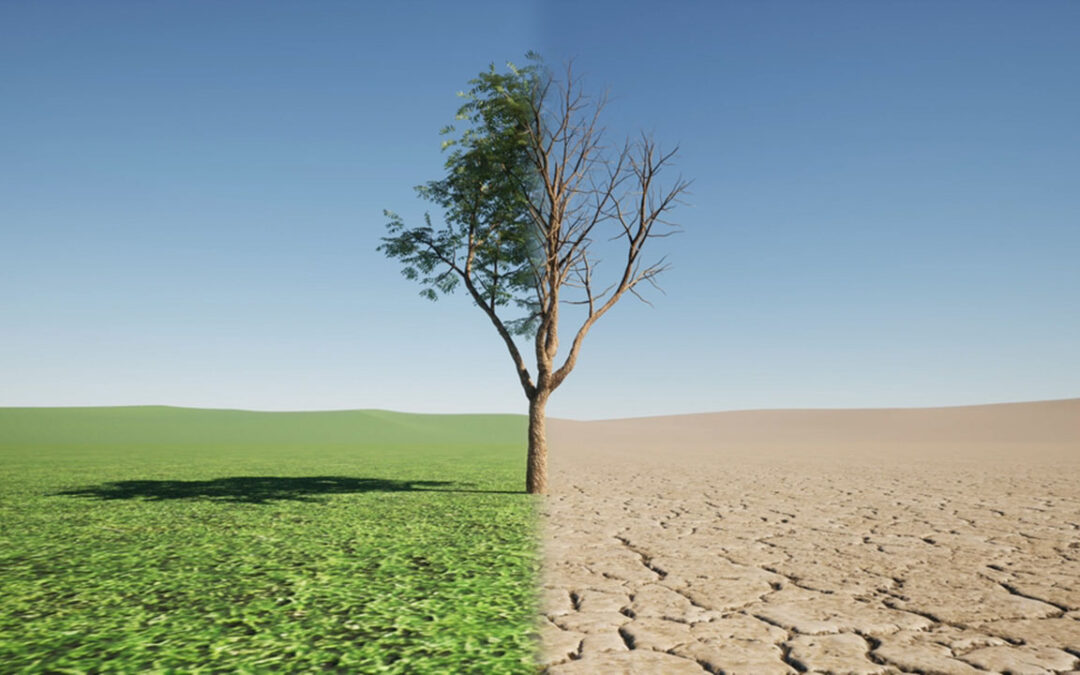
What is a carbon footprint?
Scientists continue to debate many aspects of climate change, but there is broad agreement that higher levels of carbon dioxide (CO₂) and other greenhouse gases in the atmosphere trap more heat. That trapped heat is associated with rising global temperatures and an increase in extreme weather events.
What does this mean for frozen red bell peppers?
California is the largest producer of IQF (Individually Quick Frozen) red bell peppers in the United States. Most pepper fields are located just a short distance from processing plants, so the peppers spend very little time on trucks before they are frozen.
Peppers imported from China take a much longer journey.
A typical pepper grown in China is:
- • Trucked from a rural farm to a processing plant.
- • Frozen in a facility that may rely heavily on electricity generated from fossil fuels or coal.
- • Trucked again to a shipping port.
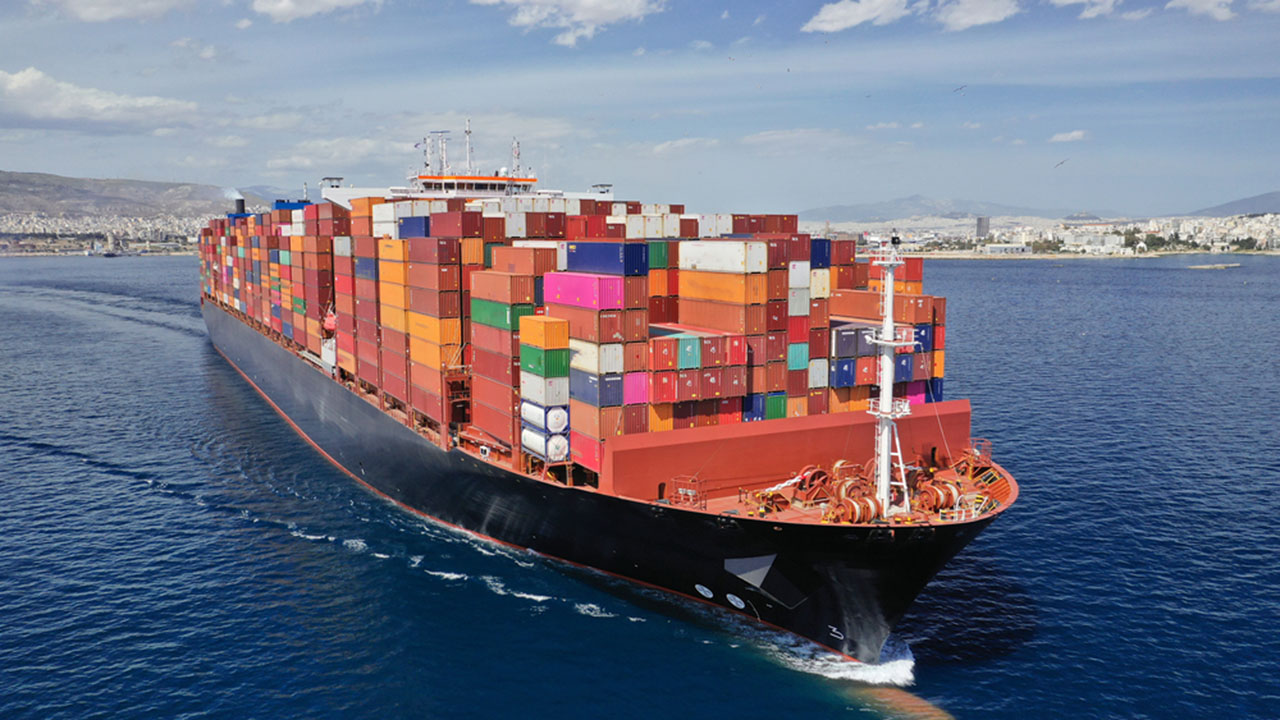
- • Loaded into a 40,000-pound refrigerated shipping container that burns fuel to keep the peppers frozen.
- • Transported more than 8,000 nautical miles across the Pacific Ocean before arriving in California, which means up to eighteen days at sea burning fuel.
- • Then moved again by truck or rail to food manufacturers.
Every step in that journey requires energy, and most of that energy creates additional greenhouse gas emissions.
Why California-grown peppers have an advantage
California-grown peppers generally have a much smaller transportation footprint because:
- • Farms are located close to processing plants.
- • Less trucking is required.
- • Many processors have access to cleaner sources of electricity, including renewable energy.
- • Products shipped across the United States can often travel by rail, which is one of the most fuel-efficient ways to move freight.
One scientific analysis estimated that transporting a 40,000-pound refrigerated container of frozen vegetables from China to the U.S. West Coast can generate up to 12 additional metric tons of carbon dioxide equivalent (CO₂e) compared with producing and sourcing closer to home.
When you consider that some food manufacturers import millions of pounds of frozen vegetables every year from China and Europe into the U.S., those additional emissions add up quickly.
What can consumers do?
Consumers have more influence than they may realize.
When shopping, take a moment to read the ingredient label on a package and especially the Country of Origin information. Companies are required by law to list on the package the countries that their ingredients are sourced from. If you discover that frozen vegetables or ingredients are being imported from overseas when they are also available from California, Florida, or Mexico, consider contacting the manufacturer and asking why they don’t source closer to home.
When enough consumers ask these questions, companies pay attention.
Our perspective
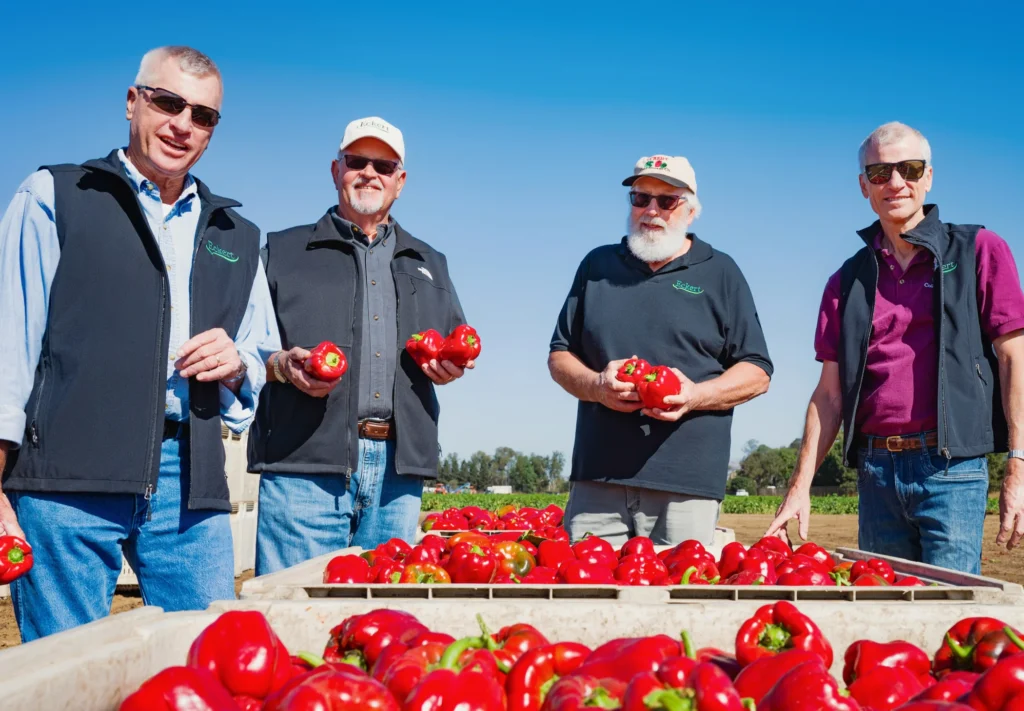
We recognize that we are part of the frozen pepper industry, so naturally we believe in the value of California-grown peppers. But this isn’t just about our business.
Like everyone else, our families breathe the same air and depend on the same natural resources. We believe that sourcing food closer to where it is grown can help reduce unnecessary transportation emissions while supporting American agriculture.
We only have one planet. Whenever practical, choosing ingredients that travel fewer miles is one simple way to reduce our environmental impact.