
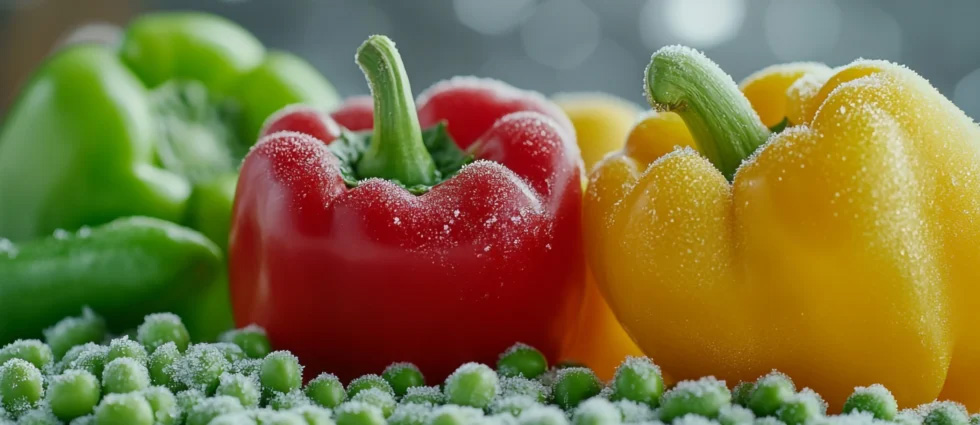
Most people assume fresh produce is always the healthiest choice — but that’s not always true. Thanks to today’s advanced freezing technology, frozen vegetables can actually be the smarter, fresher, and more practical option for busy families who want real nutrition without the hassle.
Locked-In Freshness and Nutrition
Less Waste, More Value
Everyone knows the frustration of throwing away wilted broccoli, a dried-out cob of corn, or slimy spinach. Frozen vegetables take that problem off your plate.
They stay perfectly preserved in your freezer for months, letting you use exactly what you need, when you need it.
No spoilage. No wasted food. No wasted money. No messy prep work.
Convenience Without Compromise
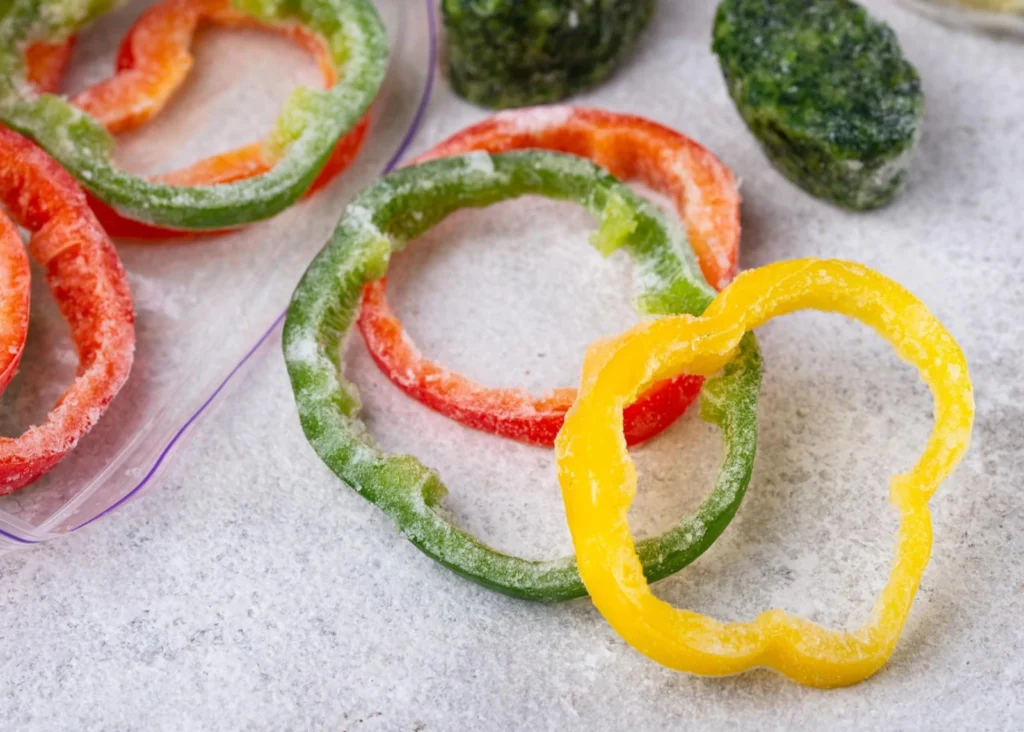
Take IQF (Individually Quick Frozen) red bell peppers as an example. They’re pre-washed, pre-cut, and ready to cook — no cores, seeds, or scraps to throw away. That alone can be up to 18% of the pepper’s weight that you pay for when buying fresh.
Whether you’re cooking a weeknight stir-fry, making soup, or topping a homemade pizza, frozen vegetables give you great flavor with zero prep time.
Why Frozen Costs Less
It’s all about critical mass at the time of harvesting. Take red bell peppers. They are harvested and processed in huge quantities, often tens of millions of pounds, during short growing seasons. Companies like Eckert Frozen Foods use highly automated harvesting and processing equipment to help keep costs low, and because the product is frozen, producers can store it for over a year with no waste. This all equates to lower cost at the shelf than fresh vegetables.
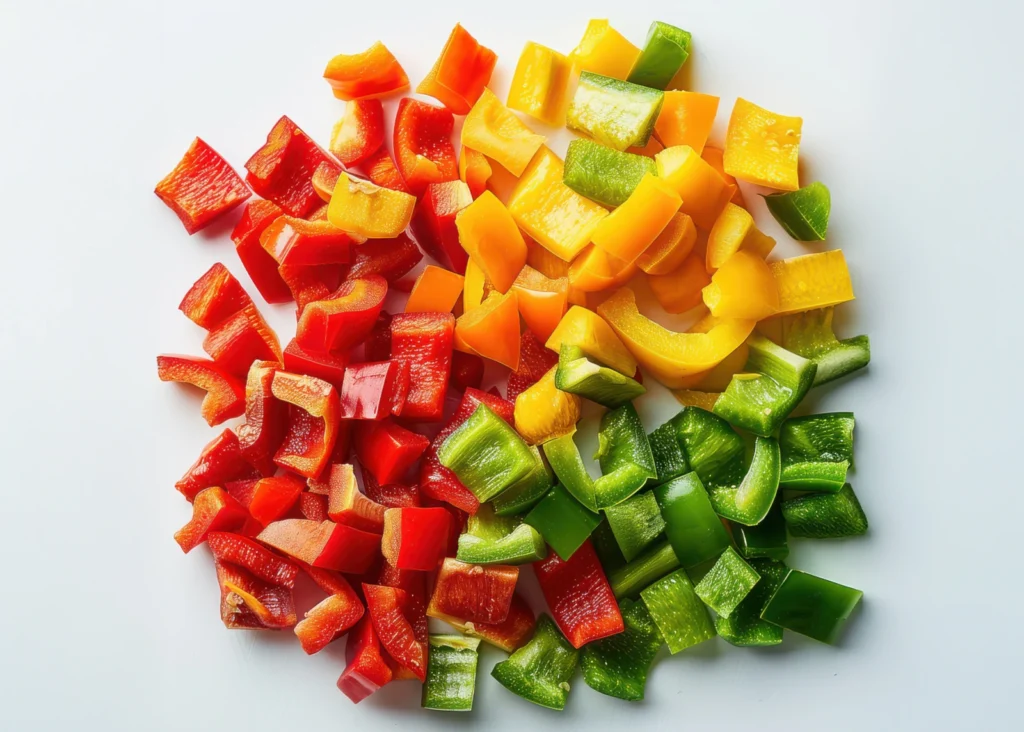
Fresh vegetables, on the other hand, have to be sold quickly. Anything that doesn’t sell in a few days is thrown out — and that waste drives up prices for everyone.
The Bottom Line
Frozen vegetables aren’t a compromise — they’re an upgrade. You get peak nutrition, long shelf life, no waste, easier prep, and lower prices.
Next time you’re in the grocery store, don’t skip the freezer aisle — it just might be the freshest choice there.